Case Studies

Case Studies

Case Studies

The user doesn’t need to be convinced to pay — they just need you to be there at the right moment, when the value is clear. Shown at the right time and in the right form, an offer stops being a sale — and becomes a helping hand.

Right offer, right moment

A mobile app for iOS and Android, designed for bloggers and content creators. It allows users to record their device screen — from TikTok, YouTube, games, and more — while simultaneously capturing their live reaction in a picture-in-picture format. The final video can be saved and shared across social platforms. The product targets a young, media-savvy audience: streamers, lifestyle bloggers, and challenge creators.

The goal was to increase conversion to the first subscription purchase without disrupting the delicate user experience.

  • Card image
  • Card image
  • Card image
  • Card image
  • Card image
  • Card image

While the core offer remained the same, we broke it into multiple contextual versions, each shown only when the user encountered a feature that required an upgrade. Saving a video triggered an offer to remove the watermark.

Editing prompted access to premium filters. Visually and textually, each offer was adapted to the specific moment and action. This made monetization feel organic — not like a push, but like a natural continuation of the flow.

As a result, first-time purchases increased by 15%, retention improved by 8%, and engagement with paid features more than doubled.

The user doesn’t need to be convinced to pay — they just need you to be there at the right moment, when the value is clear. Shown at the right time and in the right form, an offer stops being a sale — and becomes a helping hand.

Stay or lose all

A mobile social app where users meet, chat, and interact through light, game-like mechanics. Its core feature is the classic “spin the bottle” format, along with other casual game scenarios that make the experience of getting to know others more playful and engaging. Users can send gifts, join themed battles, customize their profiles, and earn in-app currency.

The problem: a portion of less engaged users began deleting their accounts after just 1–2 days of activity and trying out a few features.

  • Placeholder

We conducted a behavioral analysis and found that account deletions weren’t driven by negative experiences — most users were simply “checking it out.” Interestingly, the majority of those who left hadn’t even tried the app’s premium features. Instead of blocking deletion, we implemented a gentle friction flow. Users were reminded of what they’d be losing: progress, points, social connections, and earned rewards.

At the final step of the deletion process, we introduced a unique offer — a limited bundle of in-game bonuses and exclusive items in exchange for keeping the account. This approach worked: account deletions dropped by one-third, and over 11% of users accepted the offer and stayed.

Those who stayed were more likely to explore premium features and became more active overall.

People don’t leave because they’re not interested — sometimes they just don’t see what they stand to lose. Effective retention UX isn’t about blocking exits; it’s about a respectful reminder of value.

From one bet to a habit

A licensed betting platform operating in Russia and the CIS, offering sports, esports, and live event wagers via mobile app and web. The product targets a mass-market audience with a focus on simplicity and ease of use.

The problem: a significant portion of new users placed just one or two bets and then dropped off. There was a lack of motivation to return — the habit never formed, and users didn’t see a clear reason to continue engaging with the product.

  • Placeholder

We realized the issue wasn’t about usability — it was about a missing reason to return. I proposed adding light gamification: daily missions tied to regular bets, along with a basic leveling system. Another key improvement was introducing one-click top-ups: the system remembered the user’s last deposit amount and surfaced it automatically, eliminating the need to re-enter payment details.

This significantly lowered friction for re-engagement. As a result, ARPU increased by 18%, the majority of top-ups began happening via one-click, and user engagement on days 3 to 5 showed a noticeable uplift.

UX isn’t about “convenience” — it’s about building habits. When the path to action becomes short and familiar, it stops being a decision — it becomes part of a ritual.

Migration that feels like a win

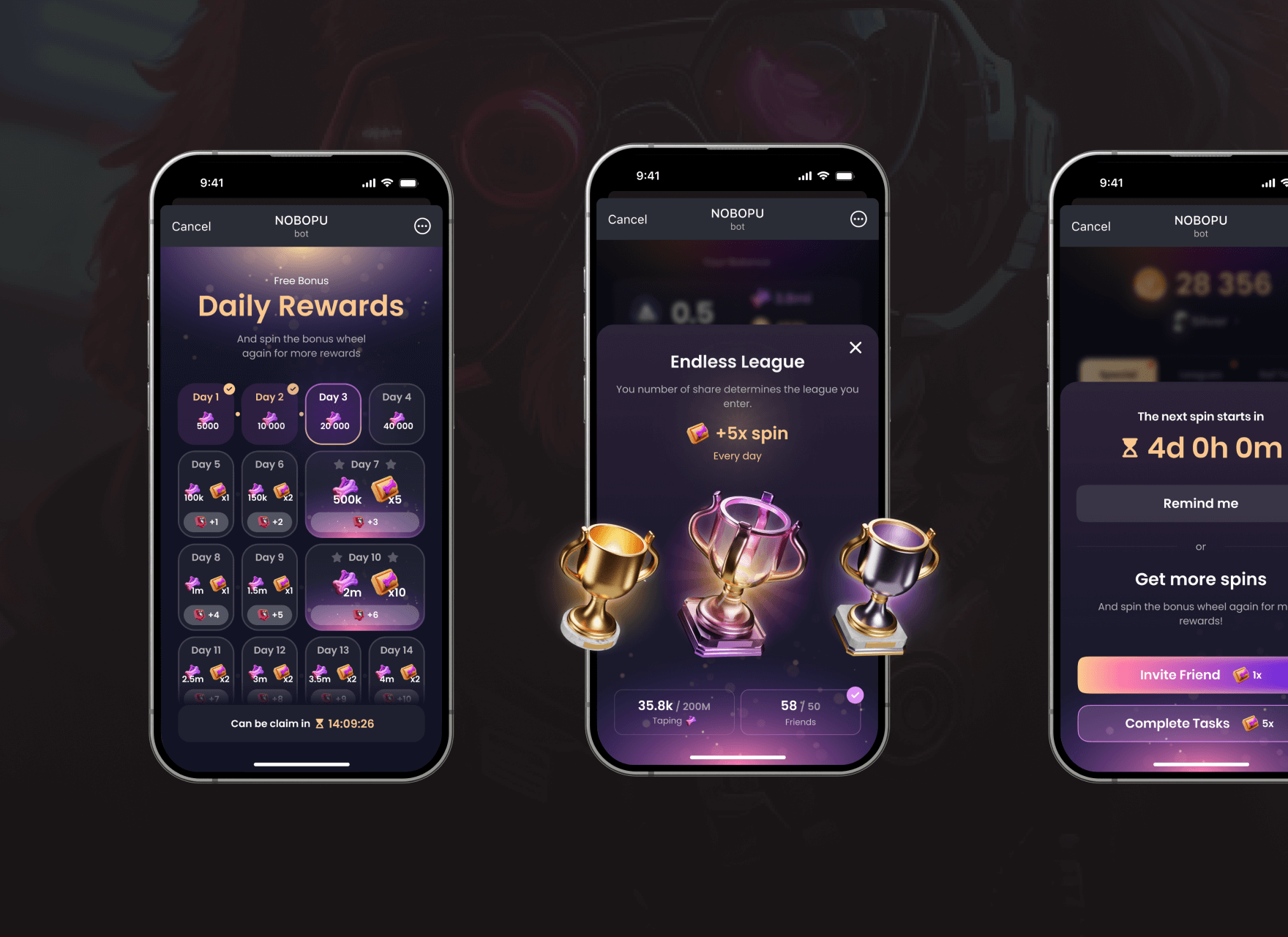
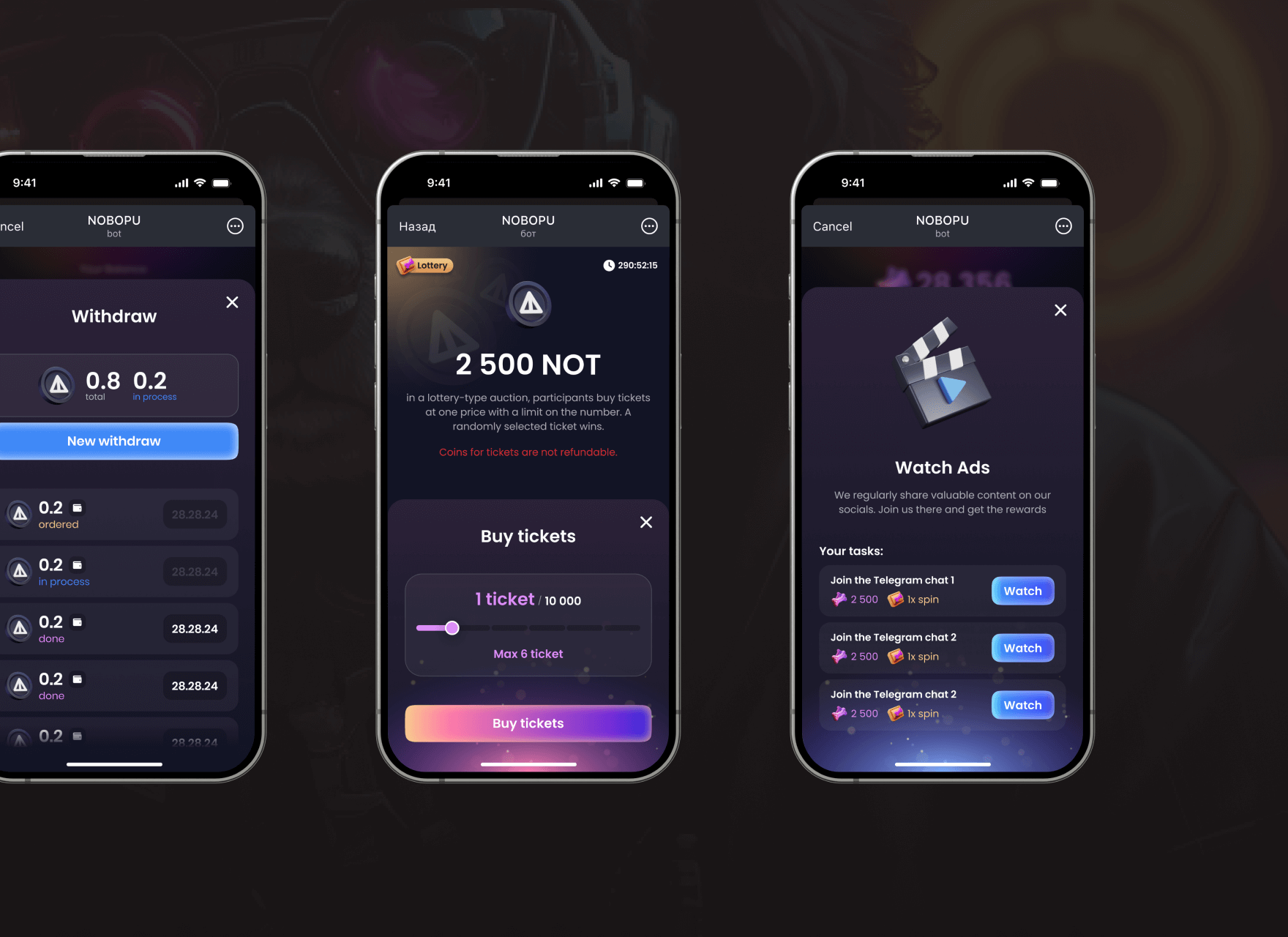
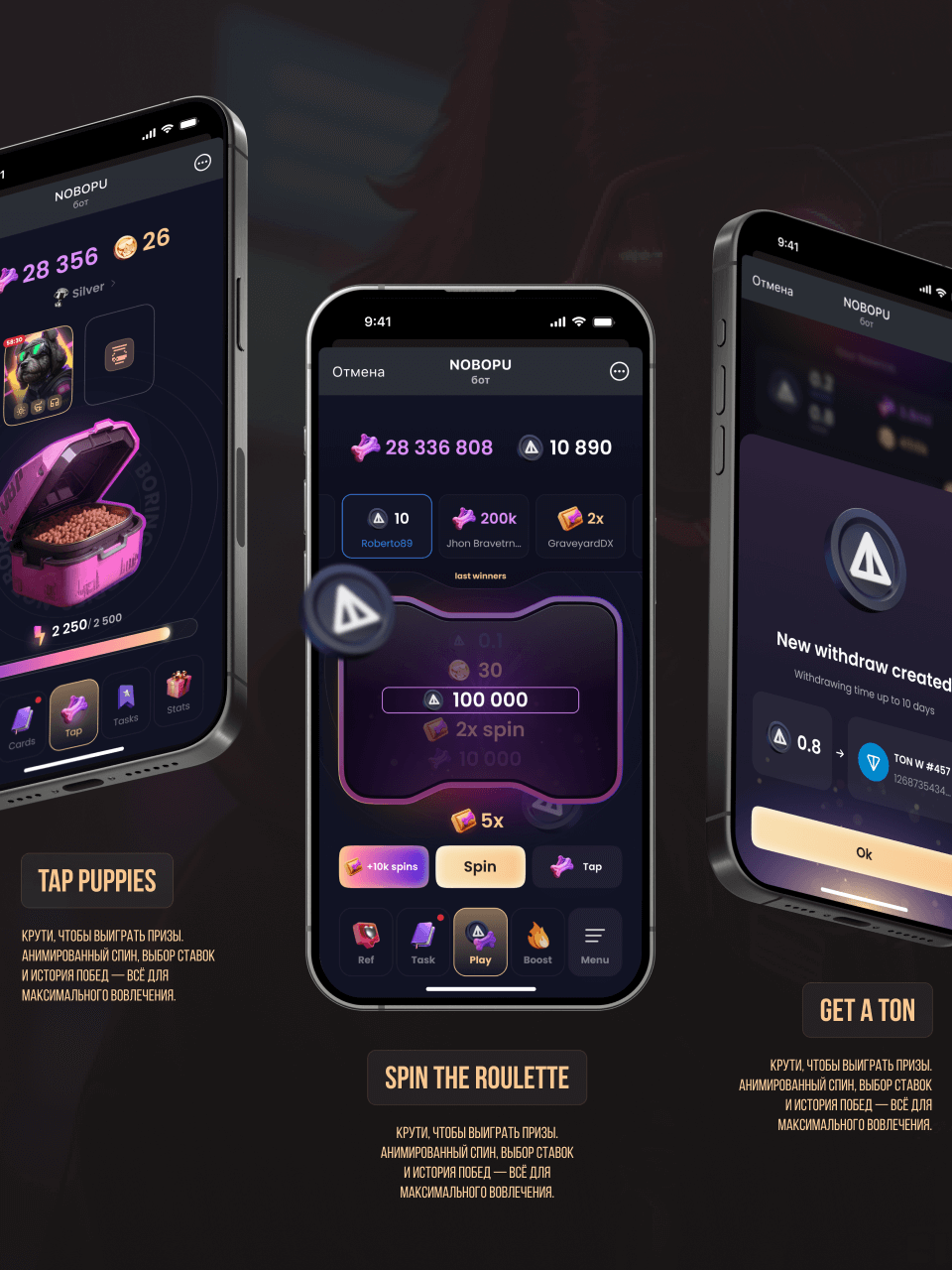
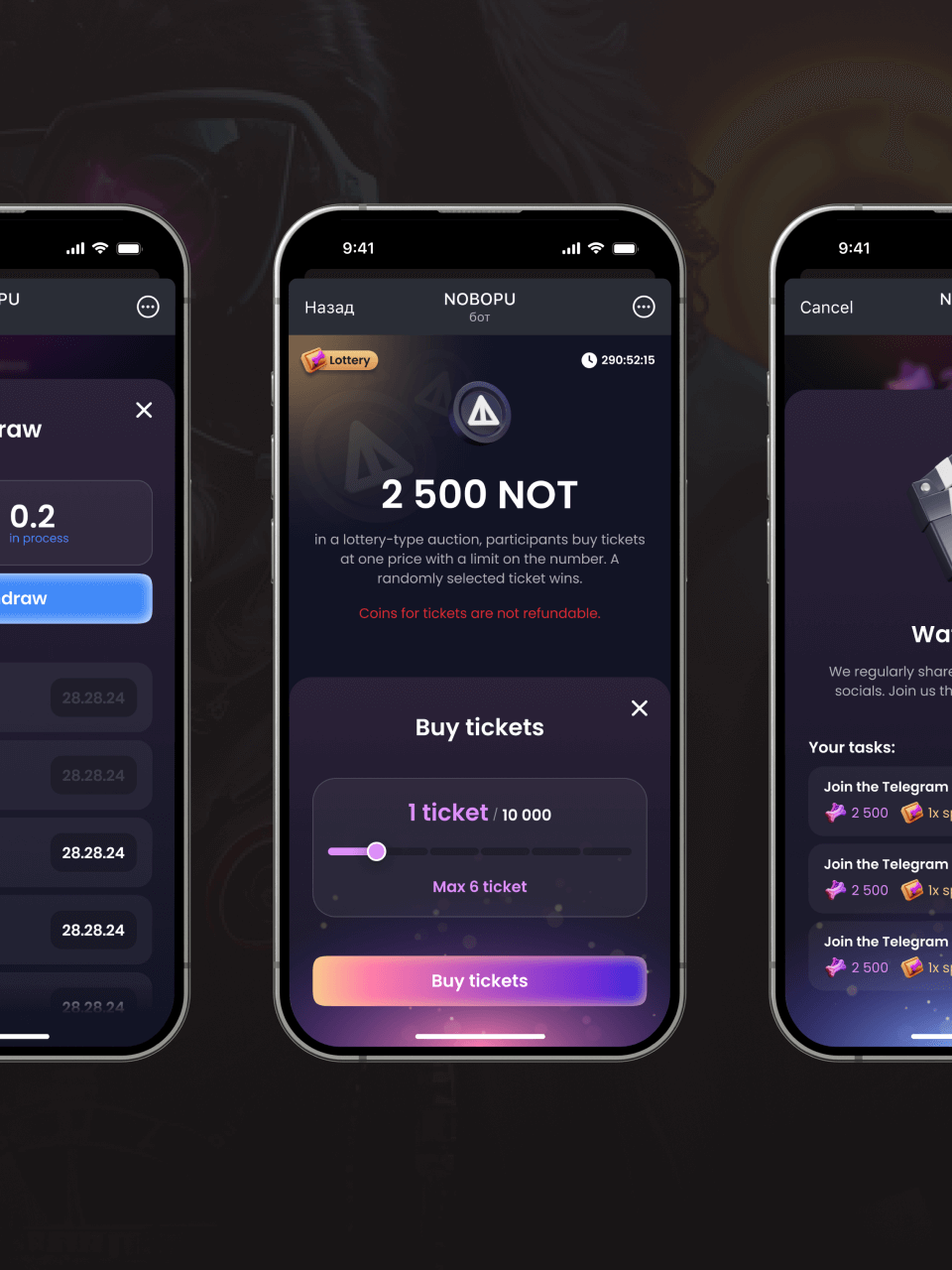
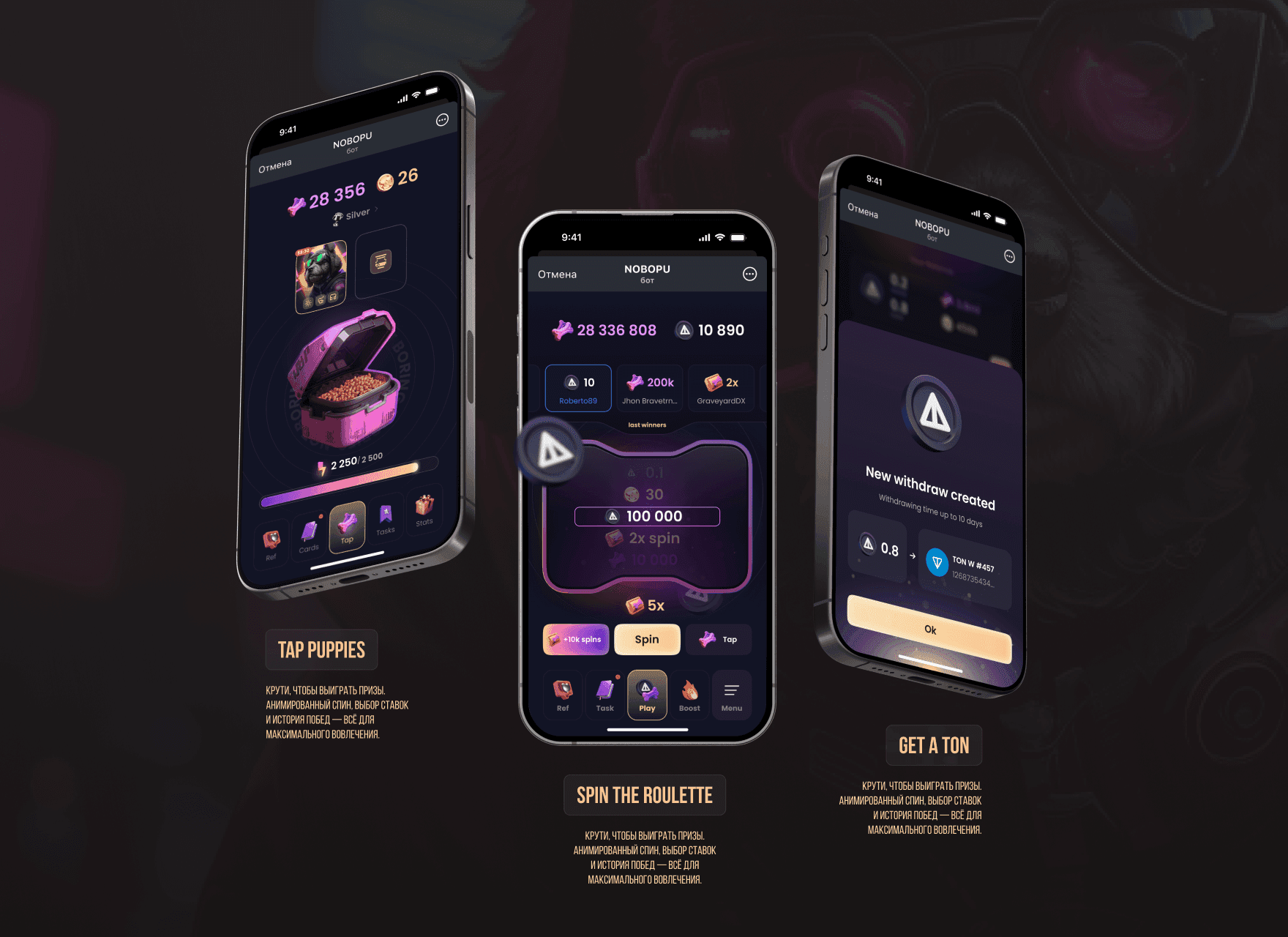
We were launching a new Telegram-based app and needed to migrate active users from the previous product without losing engagement or monetization. Revenue came from both in-app deposits and a task-based reward system — users completed actions like posting content or joining chats, and we earned from those events.

So the challenge wasn’t just to move the audience, but to ensure they kept interacting, spending, and generating value in the new environment. The transition had to feel seamless and purposeful, not like starting over.

  • Placeholder

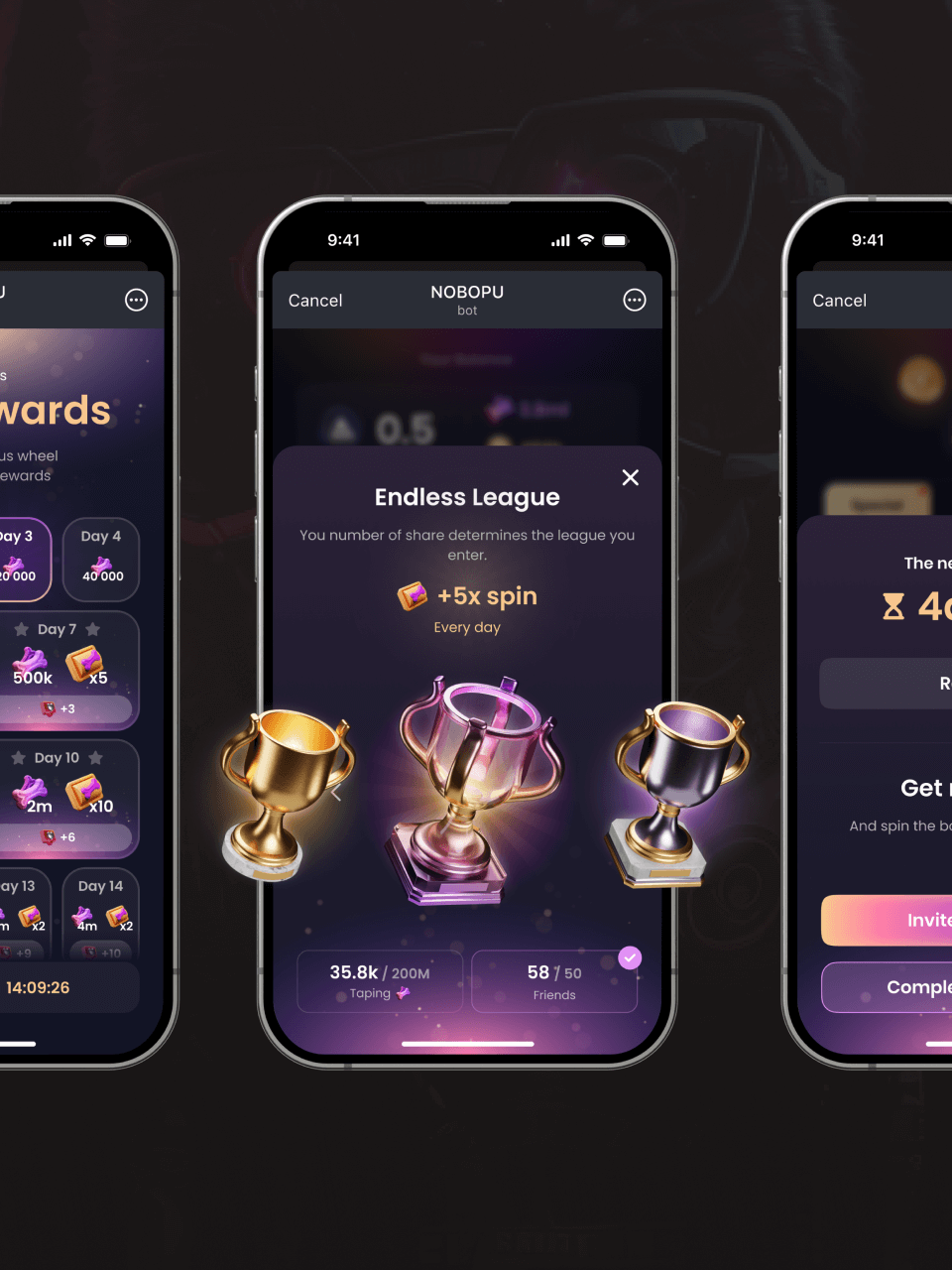
We chose not to force users into the “new version,” but to turn the transition into a game. Only in the new bot could users access exclusive tokens, unlock special chat rooms, and complete time-limited challenges. They were greeted with a “wheel of fortune” mechanic and immediately saw value that existed only in the new environment — which naturally encouraged them to explore and engage.

We also added scarcity elements: challenges appeared on a timer, and some tokens required complex conversions to obtain. This created urgency and a sense of opportunity. As a result, we didn’t just migrate the audience — we increased overall engagement. Paying users grew by 21%, and average session length in the new product rose significantly.

Moving a user from one product to another shouldn’t feel like a transition — it should feel like a reward. That’s when it becomes voluntary — and genuinely desirable.

From chaos to clarity

A business process visualization tool designed for small teams and internal workflows. When I joined the project, the main website was overloaded, structurally inconsistent, and failed to communicate the essence of the product. It jumped straight into UI screenshots and feature lists, with a headline like “Visualize and Control” — lacking context, pain points, or any user-driven narrative.

  • Placeholder

I started by completely rethinking the site’s content logic. Together with the team, we ran a series of quick interviews with potential users and realized that most people weren’t asking “What can this product do?” — they were asking “Why would I need this at all?” That insight became our starting point.

The new site structure followed a narrative flow: first, the pain point (“You don’t really see what’s happening in your business”), then a clear, simple solution (“Shows everything as it is — visually, in live diagrams”), followed by a real case study with numbers, and only after that — a breakdown of product features.

In the “How it works” section, we intentionally avoided interactive elements. Instead, we presented three short scenarios on a clean, quiet background — minimal distractions, maximum clarity.

We completely reworked the navigation, simplified the header, removed vague CTAs, and positioned the “Try it now” button only after the section explaining how the product solves the user’s problem. By the time someone reached that CTA, they already understood why they were there.

As a result, scroll depth nearly doubled, registrations increased by 42%, and average time on page grew by 58 seconds — all without adding complexity. In fact, the visual presentation became lighter and cleaner.
When you’re designing a website for a new product, the goal isn’t to explain everything — it’s to help the user understand why it matters in the first place. The structure of meaning is more important than the structure of the interface. That’s what real UX is: not about telling, but about guiding someone to realize it on their own.

Давайте сконнектимся

Развиваю дизайн-системы, команды и продукты, где UX это не украшение, а инструмент роста. Мой фокус эффективность, ясные процессы и сильные люди, которые делают сильные продукты.

Давайте сконнектимся

Развиваю дизайн-системы, команды и продукты, где UX это не украшение, а инструмент роста. Мой фокус эффективность, ясные процессы и сильные люди, которые делают сильные продукты.

Давайте сконнектимся

Развиваю дизайн-системы, команды и продукты, где UX это не украшение, а инструмент роста. Мой фокус эффективность, ясные процессы и сильные люди, которые делают сильные продукты.